As 2026 approaches, Design Workshop foresees six trends shaping the future of design, planning, and community building. These insights reflect work across cities, neighborhoods, campuses, and landscapes, and highlight how design can respond to cultural shifts, environmental challenges, and the ongoing need for deeper human connection.
1. Placekeeping Over Placemaking
Communities everywhere are grappling with rapid growth, urbanization, environmental disconnection, and the loss of intergenerational knowledge. Without placekeeping, we risk continuing into Generica America. With it, we embed authenticity into public spaces that might otherwise be stripped of meaning. Designing with memory isn’t nostalgic, it is urgent. This is where the distinction matters. Placemaking is often about creating something new—an external vision, a fresh identity, innovation for its own sake. Placekeeping, on the other hand, preserves and amplifies what is already there. It listens to memory, culture, and tradition. Placekeeping asks us not to bulldoze the past, but to listen deeply to what has always been.
South Park Heritage Trail, Raleigh, NC
2. Community Engagement as a Design Driver
Engagement is not simply a box to check. Meaningful dialogue, rooted in listening and mutual respect, is essential to developing ideas that are both innovative and community supported. This trend reflects a growing understanding that design outcomes improve when diverse voices shape the process from the very beginning. It places collaboration at the center of how we plan, design, and build.

Colorado Springs Historic Master Plan - Community Engagement
3. Pedestrian Power
Walkability and human-scaled environments continue to shape where and how people want to live, work, and gather. Streets and public spaces that prioritize movement, social connection, and everyday interaction are becoming essential to vibrant places.
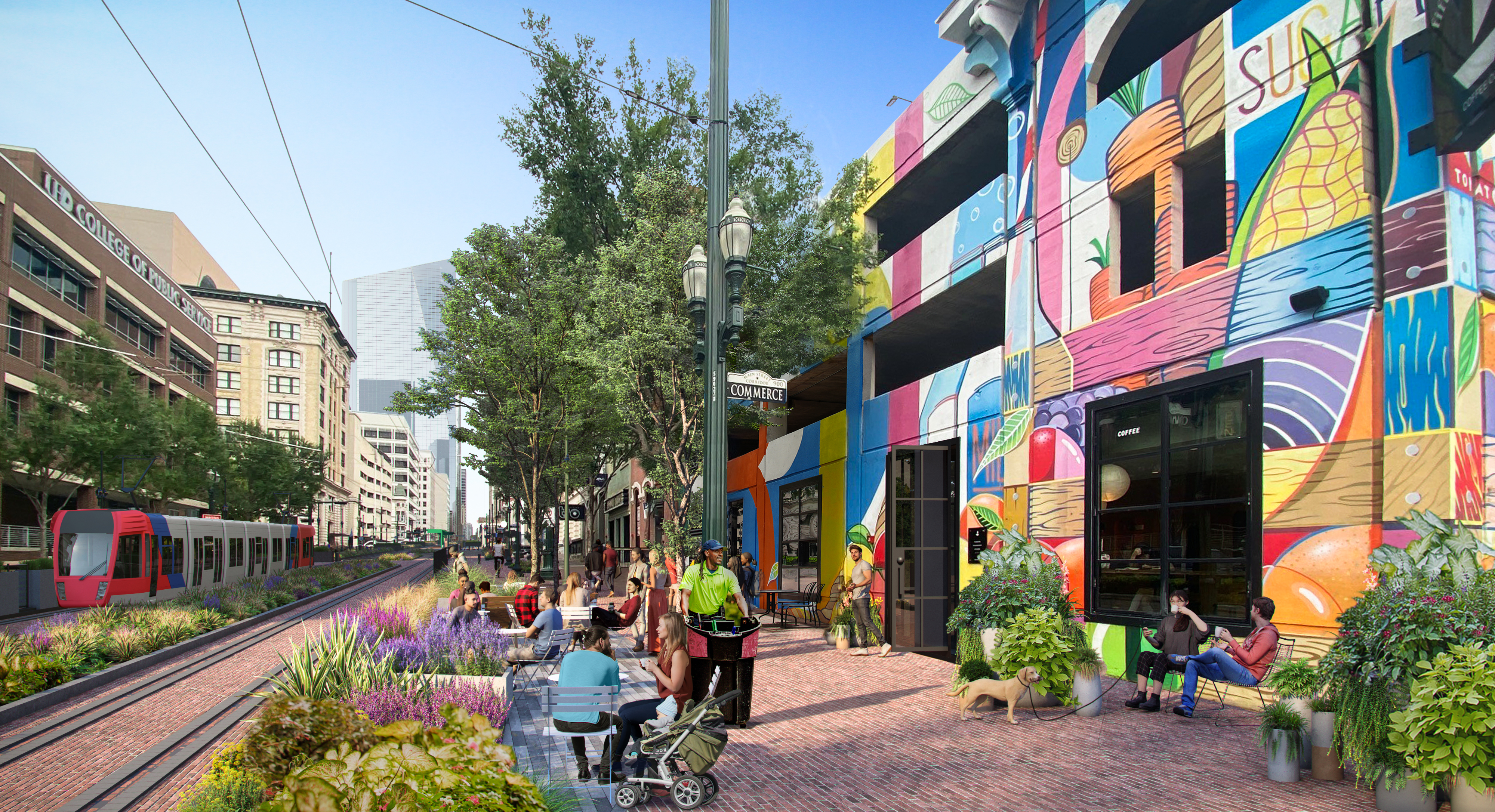
Main Street, Downtown Houston, TX
4. Climate & Wildfire Resilience
Climate impacts are intensifying, and design must respond with strategies that protect people, place, and ecosystem health. This includes fire-smart landscapes, resilient infrastructure, and adaptive ecological planning that anticipates risk while enhancing environmental performance.
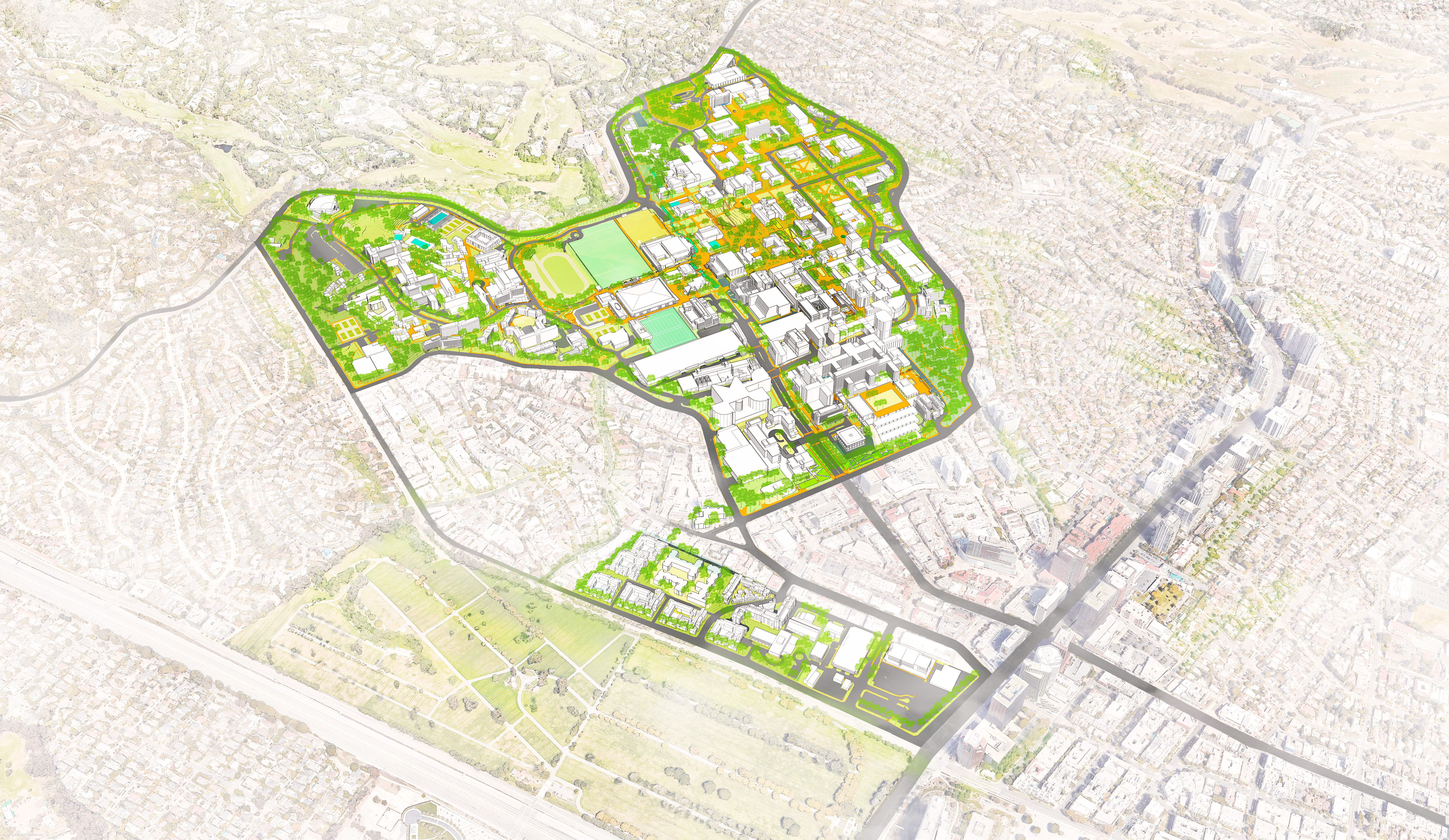
UCLA Campus Project
5. Motivational Public Realms
Public spaces are being designed not just for function, but to spark energy, creativity, and collective engagement. These realms invite movement, encourage gathering, and infuse everyday moments with delight. The focus shifts from accommodating activity to inspiring it.
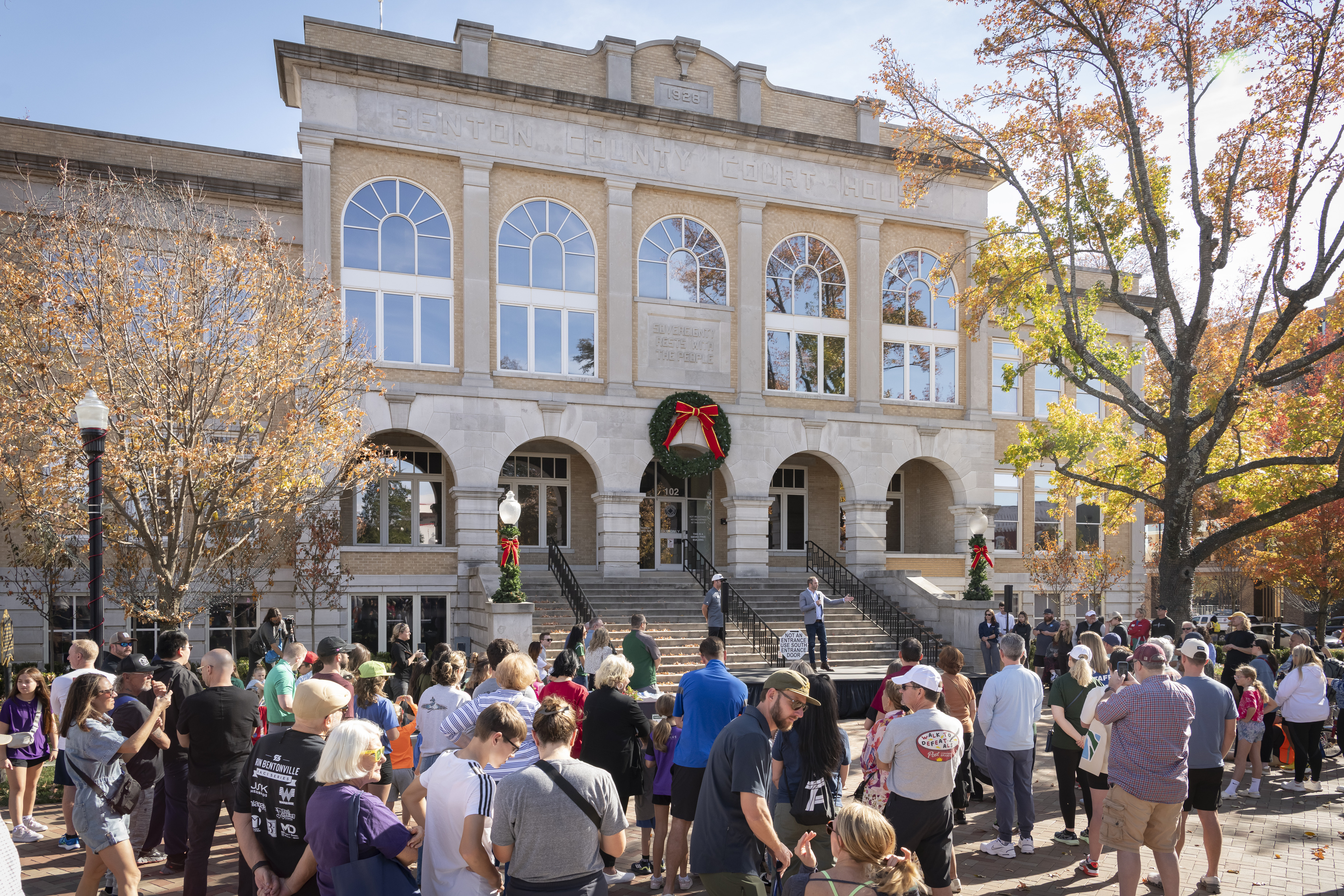
A-Street Promenade, Bentonville, AR
6. AI-Driven Design
Artificial intelligence is transforming how design questions are asked and answered. Tools that support predictive modeling, sentiment analysis, and data visualization are helping teams anticipate needs, personalize dialogue, and accelerate sustainable design solutions. AI does not replace human judgment; it extends insight and supports deeper understanding.
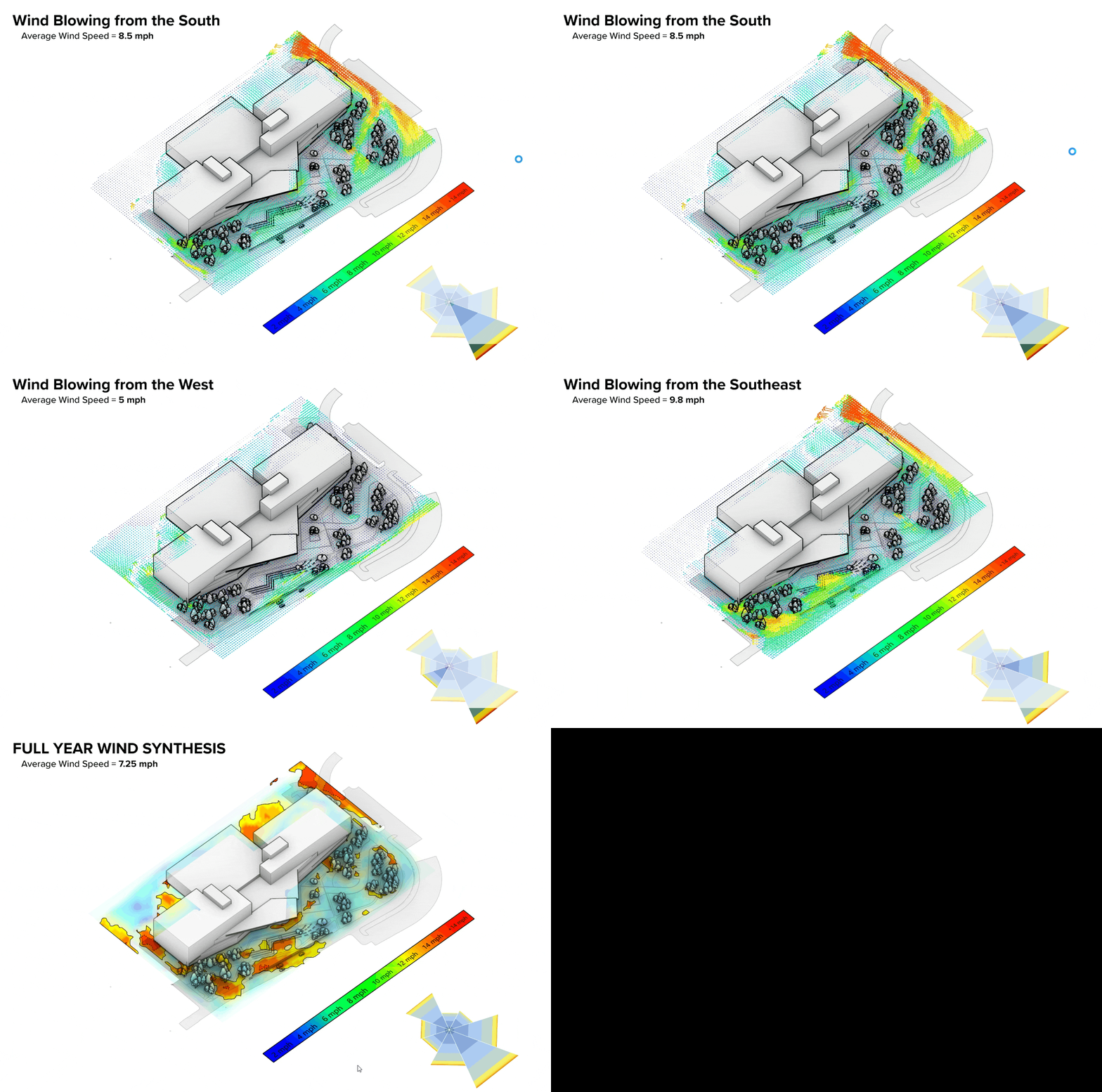
DiGiLAB Wind Analysis